
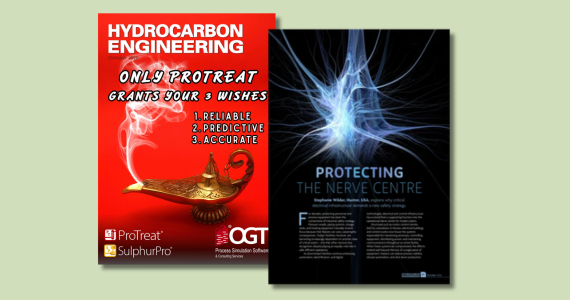
Hydrocarbon Engineering Feature: Protecting the Nerve Centre
Today’s industrial facilities rely on increasingly sophisticated electrical and control systems to keep operations running safely and efficiently. From switchgear and motor control centers to automation, communications and power distribution equipment, these critical assets help monitor processes, control equipment and maintain operations across the facility. As more systems become interconnected, however, a disruption to this infrastructure can have consequences that extend far beyond a single piece of equipment.
In a recent Hydrocarbon Engineering editorial, Hunter Senior Vice President of Sales and Marketing Stephanie Wilder examined the growing importance of protecting critical electrical infrastructure and the role purpose-built modular buildings can play in strengthening operational resilience. Read the full article text below.
For decades, protecting personnel and process equipment has been the cornerstone of industrial safety strategy. Pressure vessels, piping systems, storage tanks and rotating equipment naturally receive focus because their failures can carry catastrophic consequences. Today’s facilities, however, are becoming increasingly dependent on another class of critical assets — one that often receives less recognition despite playing an equally vital role in safe, efficient operations.
As downstream facilities continue embracing automation, electrification, and digital technologies, electrical and control infrastructure has evolved from a supporting function into the operational nerve centre for modern plants.
Structures such as motor control centers (MCCs), substations, E-Houses, electrical buildings, and control rooms now house the systems responsible for monitoring processes, controlling equipment, distributing power, and maintaining communications throughout an entire facility. When these systems are compromised, the effects extend well beyond the loss of a single piece of equipment. Impacts can reduce process visibility, disrupt automation, and shut down production assets, creating costly downtime and additional safety concerns during emergency response and restart.
Protecting these facilities is no longer simply an electrical engineering concern. It is a fundamental component of operational resilience. To see why, it is worth taking a closer look at how automation and digitalisation have transformed the role these buildings play in industrial operations.
Modern facilities depend on more than mechanical equipment
The hydrocarbon industry has experienced a significant technological transformation over the past two decades. Digital control systems, advanced instrumentation, predictive maintenance technologies, and industrial internet of things (IIoT) devices have fundamentally changed how facilities operate.
Where operators once focused primarily on manual monitoring and localised controls, today’s facilities increasingly rely on centralised electrical infrastructure housing sophisticated automation systems capable of monitoring and coordinating complex industrial processes in real time. Within these buildings are assets such as:
- MCCs
- Medium and low voltage switchgear
- Variable frequency drives
- Distributed control system (DCS) Equipment
- Programmable logic controllers (PLCs)
- Supervisory control and data acquisition (SCADA) systems
- Network and communications equipment
- Uninterruptible power supplies (UPS)
- Relay protection systems
- Instrumentation and control panels
Together, these systems coordinate nearly every aspect of facility operations, from electrical distribution to process monitoring and emergency shutdown functions. Recent industry research highlights the continued convergence of OT, industrial control systems, and IIoT, making electrical buildings increasingly important to operational continuity.¹ A disruption affecting one electrical building may now impact multiple production units simultaneously, affecting both production and process safety.
New technology creates new vulnerabilities
The same technologies that improve efficiency also introduce new operational dependencies.
Electrical infrastructure is expected to perform continuously, despite challenging environmental conditions and demanding operating schedules. Unlike many mechanical systems, electrical and automation equipment depends on tightly controlled operating environments. Temperature fluctuations, humidity, airborne contaminants, and vibration can reduce performance or shorten equipment life, while hazards such as arc flash and fire introduce additional safety risks.
External threats must also be considered.
Depending on facility location and process hazards, electrical buildings may require protection against blast overpressure, severe weather, flooding, wind events, seismic activity, or accidental vehicle impact. Increasing attention is also being paid to physical security as industrial facilities evaluate risks associated with unauthorized access or intentional damage to critical infrastructure.
Perhaps most importantly, electrical buildings frequently serve as single points of operational dependency. Unlike distributed mechanical assets, numerous critical systems may be concentrated within a single enclosure. A failure affecting one electrical building has the potential to interrupt communications, disable control systems, and impact power distribution across multiple operating areas simultaneously.
Protecting these facilities becomes an exercise in protecting the continuity of the entire operation. And meeting that objective begins with engineering environments tailored to the unique risks at play. Custom modular construction provides a key approach to achieving that goal.
Designing buildings around equipment reliability
When discussing electrical infrastructure, attention often focuses on the equipment itself. Switchgear manufacturers emphasize reliability, automation providers discuss software capabilities, and electrical engineers specify protective relays, transformers, and power distribution systems. Equally important, however, is the environment surrounding that equipment.
Building design plays a significant role in determining whether electrical systems perform reliably throughout their service life. Modular construction allows structural, mechanical, and electrical systems to be engineered together around a facility’s operational requirements, environmental conditions, and future expansion needs. The result is an integrated solution engineered to protect critical equipment while supporting evolving operational demands.
Well-engineered modular electrical buildings are designed to provide environmental stability, maintenance access, and operational flexibility required to protect today’s critical electrical infrastructure. Here are some key design considerations that often come into play.
- HVAC Systems: maintain stable interior temperatures that help protect sensitive electrical equipment and support reliable performance under varying operating conditions
- Positive Pressurisation: help minimse the infiltration of dust, moisture, and corrosive contaminants that can compromise electrical and electronic components
- Fire Protection: incorporate fire-rated construction and suppression systems that help safeguard personnel, equipment, and facility operations
- Gas Detection & Ventilation: continuously monitor for hazardous gases while maintaining safe air quality in environments where flammable or toxic atmospheres may exist
- Cable Management: improve maintainability, simplify cable routing, and accommodate future expansion or equipment modifications
- Maintenance-Friendly Layouts: provide safe working clearances and logical equipment placement that supports inspection, troubleshooting, and routine service
- Strategic Lighting: improve visibility for maintenance personnel while enhancing safety during inspections and equipment repairs
- Structural Integrity: help structures withstand site-specific environmental conditions such as high winds, seismic activity, or heavy snow loads
- Blast Resistance: protect critical electrical infrastructure and personnel in facilities where process hazard analyses identify explosion risks
By integrating these and other considerations into a purpose-built modular building, owners can promote consistent equipment performance, simplify maintenance, and reduce lifecycle costs through better accessibility and long-term maintainability.
Resilience begins before equipment arrives on site
Historically, electrical buildings were constructed on site alongside the rest of the facility. Today, many owners take a different approach by specifying custom modular buildings that are engineered, fabricated, integrated, and tested within controlled manufacturing environments before being transported to the project site.
The benefits aren’t limited to schedule improvements.
Because structural fabrication, HVAC installation, electrical integration, and quality inspections occur under controlled manufacturing conditions, teams can better coordinate work while reducing many of the variables encountered on active industrial jobsites. Electrical equipment can also be installed before shipment, limiting exposure to weather, dust, and construction traffic that could affect sensitive components.
In addition, factory acceptance testing (FAT) makes it possible to verify systems before shipment, helping identify integration issues earlier in the project lifecycle. Mechanical, electrical, and control systems can often be coordinated simultaneously, reducing field modifications and commissioning challenges after delivery. For owners, this can translate into reduced project risk, shorter installation and commissioning schedules, faster startup, and earlier realisation of operational value.
As facilities continue facing labor shortages and compressed capital project schedules, these advantages become increasingly valuable. Reducing the amount of field work required can also improve project predictability while helping minimize the operational disruptions that often accompany complex construction.
Engineering for the entire asset lifecycle
The value of purpose-built modular electrical buildings spans well beyond commissioning. Because these facilities often remain in service for decades, they must continue supporting changing technologies, operational requirements, and equipment upgrades throughout their lifecycle.
Purpose-built modular electrical buildings are inherently well suited for phased expansion. Features such as accessible cable pathways, equipment clearances, removable wall panels, and reserved space for future electrical equipment help simplify modifications while minimizing disruption to ongoing operations. Rather than forcing costly structural changes later, facilities can adapt more efficiently as technologies and operational requirements evolve. Similarly, designing buildings to accommodate changing environmental conditions, updated safety standards, and future regulatory requirements allows owners to respond more effectively as facilities continue to modernize.
Operational resilience depends not only on how facilities perform on day one, but on how effectively they continue performing 20 or 30 years later. Buildings engineered for long-term adaptability help protect the substantial investments made in electrical and automation infrastructure while supporting reliable operation throughout the facility’s lifecycle.
Case study
A recent LNG project in Texas, US, illustrates how custom modular construction can help address the complex demands placed on today’s critical electrical infrastructure.
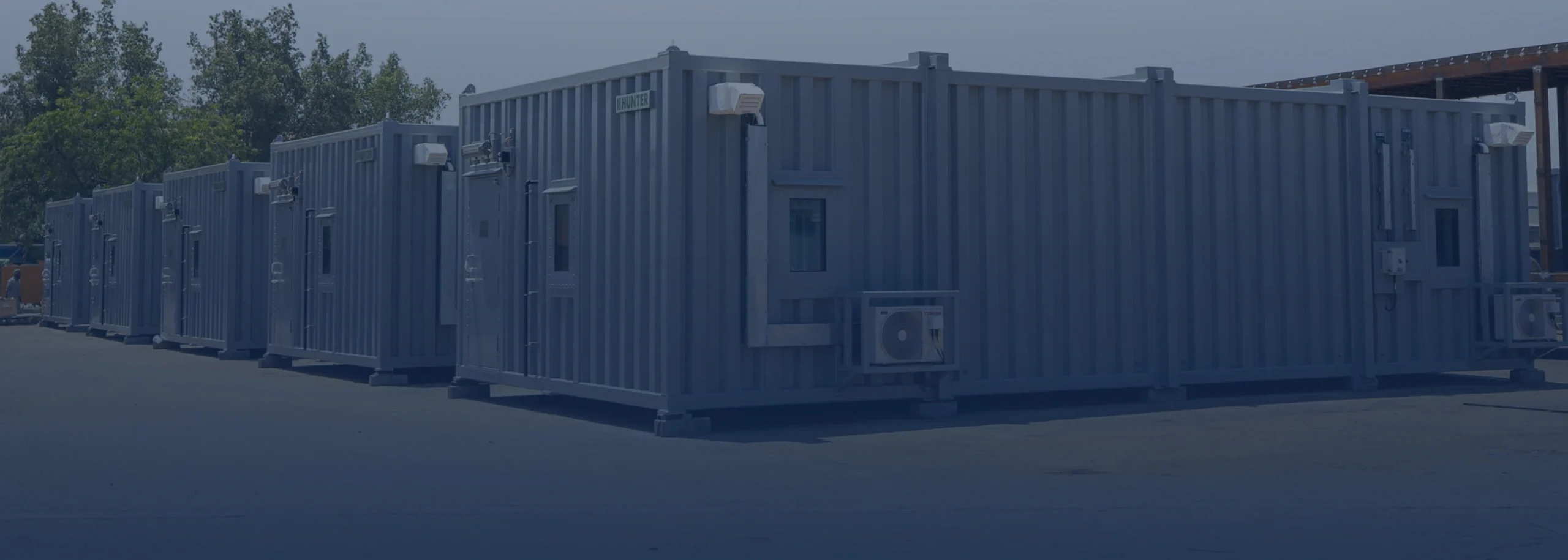
Hunter designed and manufactured a 6,426 ft2 modular blast-resistant substation engineered to provide safe, reliable, and continuous power distribution for mission-critical operations. Constructed from six steel modules within a controlled manufacturing environment, the facility minimized on-site construction while providing the quality control, factory integration, and accelerated deployment associated with modular delivery.
The project required more than simply housing electrical equipment. The building was engineered as a complete electrical environment, integrating structural, mechanical, and electrical systems to protect high-voltage infrastructure while supporting long-term operational resilience. Key design features included the following:
- Integrated high-voltage electrical systems: The facility incorporates 34.5 kV GIS along with provisions for medium and low voltage equipment, supporting reliable power distribution while reducing the footprint of critical electrical infrastructure.
- Multi-hazard protection: Project-specific blast, fire, ballistic, and storm-rated construction helps safeguard personnel and essential electrical assets in demanding industrial conditions.
- Mission-critical mechanical systems: HVAC systems were engineered to maintain stable temperature and humidity for sensitive electrical equipment, while dedicated battery room ventilation, pressure control, and gas detection systems support safe, reliable operation.
- Resilient electrical architecture: The building accommodates redundant electrical pathways, UPS systems, and optimized equipment layouts that improve maintenance access while supporting operational continuity during abnormal operating conditions.
- Factory integration and quality assurance: Structural, mechanical, and electrical systems were integrated and coordinated before shipment, reducing field installation activities while supporting quality assurance and efficient project execution.
The completed substation demonstrates how purpose-built modular electrical buildings can do far more than house equipment. By combining resilient structural design, integrated electrical distribution, and engineered environmental controls into a single facility, owners can better protect the critical infrastructure that supports safe, continuous plant operations.
Looking ahead
The hydrocarbon industry has always recognized the importance of protecting critical process equipment. Increasingly, however, the industry’s most valuable assets extend beyond pumps, vessels, and piping. The electrical and control systems that enable modern facilities to operate safely, efficiently, and continuously have become equally indispensable.
As industrial automation, electrification, and digitalisation continue advancing, these buildings will house even greater concentrations of mission-critical infrastructure. Their design, protection, and long-term reliability will play an increasingly important role in maintaining operational continuity while supporting safe plant operations. Protecting electrical infrastructure is no longer simply about safeguarding equipment. It is about protecting the intelligence that keeps today’s industrial facilities running.
Reference
1. ‘Industrial Internet of Things (IIoT): Trends and Technologies’, MDPI, (13 May 2025), https://www.mdpi.com/1999-5903/17/5/213


